


What Patients Need to Know about Electronic Medical Records

The proliferation of electronic medical records has, in many ways, benefited the health care industry. In theory, these sophisticated systems provide a centralized location for medical professionals to access and update patient information, instantaneously making data available to all of the patient’s providers. These systems can lower costs and reduce opportunities for error.

But are these systems safe?

Truth be told, the advent of new records systems has challenged many health care facilities and led to devastating complications, such as:

  • Decreased efficiency. As professionals attempt to learn complex new medical records programs, they can lose valuable time with their patients. Red tape can slow down critical patient care processes.
  • Medication errors. Typos and other similar discrepancies can cause deadly mistakes in the types and amounts of medications dispensed to patients.
  • Incompatibilities. Facilities that use different types of electronic medical records can have compatibility issues when sending patient information back and forth with partner hospitals and doctors officers.
  • Fraudulent billing. Computers generate an increasing number of medical bills; providers can more easily add confusing line items on purpose that increase insurance payments.
  • Downtime. When electronic records systems crash, health care facilities must scramble to use alternate databases – or paper records – until they come back online. The time spent reconciling these two methods can be considerable.

Clearly, electronic medical records systems can benefit patients, doctors and hospitals. But we cannot ignore the possible adverse effects of these systems. Health care facilities and providers must work together to improve their functionality, reliability, and compatibility to keep patients safe.

Tips for Caring for Your Sick or Elderly Parent

Mother’s Day makes us all a little more conscious of the care and sacrifice our moms made while we were young. Today, many adult children find their roles reversed — they now must provide care and assistance for their ailing or elderly moms.

Caring for an elderly parent is a common activity for many adult kids. In fact, polling company Gallup says more than 70 percent of adults are caring for an elderly parent, most of whom are 75 years of age or older. Many of those caregivers are also holding down jobs, a combination that can become stressful and isolating over time. If you’re one of those adult children tasked with providing care for your elderly mom or dad, here are four important tips to help you cope:

  • Talk to your employer. Letting your employer know about your obligations helps him or her understand why you may need a day off or call in late on occasion. By being upfront about your needs and constraints, you can hopefully avoid serious repercussions for your career.
  • Find out about family leave. If your parent is especially ill, ask about paid leave options that could allow you to take some time off to provide care without straining your finances or risking your position.
  • Look into daycare and in-home care options. Even if you provide most of your parent’s care, there are times when you could use a helping hand or take a break. Medicare Parts A and B offer provisions for some types of home care; they can also provide limited coverage for medically-required adult daycare. You may also be able to tap community resources for help.
  • Get support. Connecting with other people in your situation can be a powerful tool in helping you cope and avoiding stress and depression. To find a support group near you, contact your area office on aging, or visit the Eldercare Locator website, a service of the U.S. Administration on Aging.

Warning: Over-Dependence on Health Apps Can Lead to Misdiagnosis

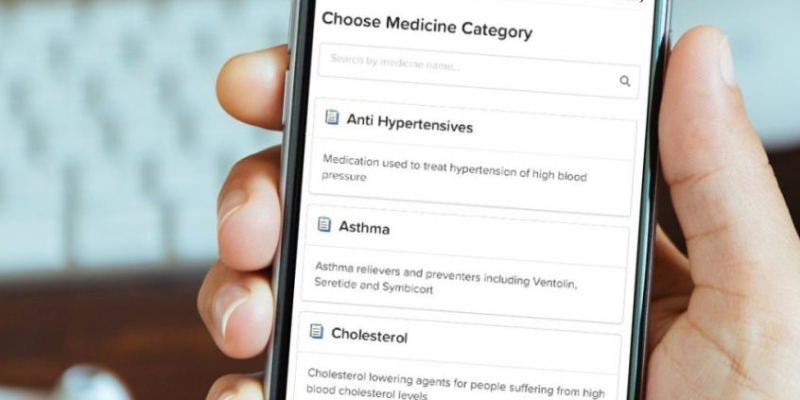
Just about everybody loves the convenience of apps, and when it comes to managing health and wellness, there are plenty of resources from which to choose. But recently, concerns have begun to be raised by medical professionals regarding the safe use of these apps and their significant potential for misdiagnosis, which may lead to patients misinterpreting important symptoms and delaying medical care.

Not all medical apps are “bad,” but it’s important to follow safety guidelines when using them, like these five simple tips:

  • First, remember – no app or website should be a substitute for a doctor’s advice. If you have signs or symptoms that indicate you might be at risk for a medical issue, schedule an exam with your doctor.
  • If an app does offer medical advice beyond recommending seeing a doctor, do not use it.
  • Use the information from an app to develop a list of questions for your doctor; tell the doctor what you’ve found on the app, and ask for his or her professional opinion on the information. Used this way, apps can provide a good jumping-off point for important health-related dialogue.
  • Record your symptoms and questions on your own without even using an app. Create a written list that you can take to your appointment and share with your doctor. Many patients feel rushed or nervous visiting the doctor, and preparing a list ahead of time can ensure all your questions are answered.
  • Use the same advice for fitness-related apps. See your doctor to ensure you’re fit enough for the activity you’re considering, and visit with a personal trainer at least initially to make sure you’re doing exercises correctly

Provision Passed by House Protects Healthcare Providers

Legislation recently passed by the House of Representatives includes a provision that will effectively protect doctors and other healthcare workers against medical malpractice lawsuits, according to the New York Times.

The primary purpose of the bill is to provide a mechanism by which the government can measure the quality of care provided by doctors, including a system by which a doctor’s performance is rated on a scale from zero to 100. Tucked into the bill, however, is a provision that prohibits the quality-of-care standards used in federal health programs from being used in medical malpractice cases. In other words, those performance ratings cannot be used as evidence of a doctor’s negligence for purposes of a malpractice lawsuit.

The Plaintiff in a medical malpractice case must prove that the Defendant’s care of the patient fell below the “standard of care.” The “standard of care” refers to the level and type of care that a reasonably competent and skilled health care professional, with a similar background and in the same medical community, would have provided under the same or similar circumstances. Typically, expert testimony is used to prove a Defendant’s treatment of a patient fell below the standard of care and was, therefore, negligent.

With the proliferation of quality metrics now required by various laws, including the Affordable Care Act, Plaintiffs may have another way to prove negligence in a medical malpractice lawsuit. The fact that a provider’s care violated state or federal safety standards, or that the provider’s performance was ranked below average, could be powerful evidence in the hands of a jury in a medical malpractice trial; however, if this House bill passes in its current form, that evidence will never make it to trial.

Copyright 2026 Lawyers Blog | All Rights Reserved.